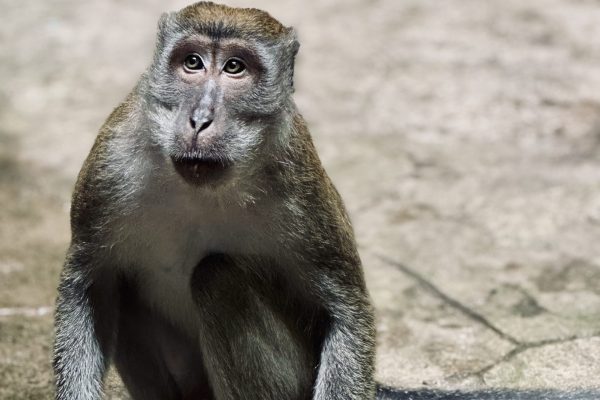
Long-tailed Macaque
@Macaca fascicularis
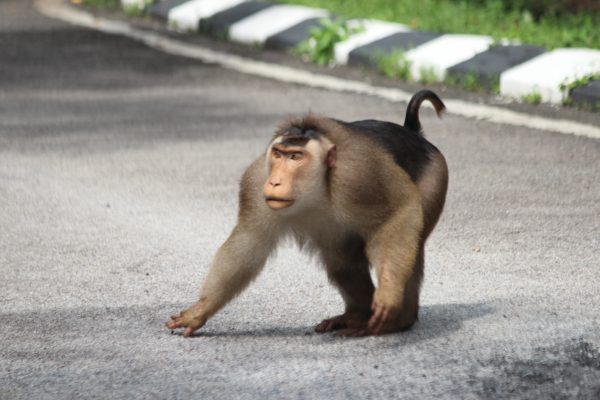
Southern Pig-tailed Macaque
Macaca nemestrina
Zoonotic Soil-Transmitted Helminths at Human-Primate Interfaces: A One Health Surveillance Study
Long-tailed Macaque
@Macaca fascicularis
Southern Pig-tailed Macaque
Macaca nemestrina
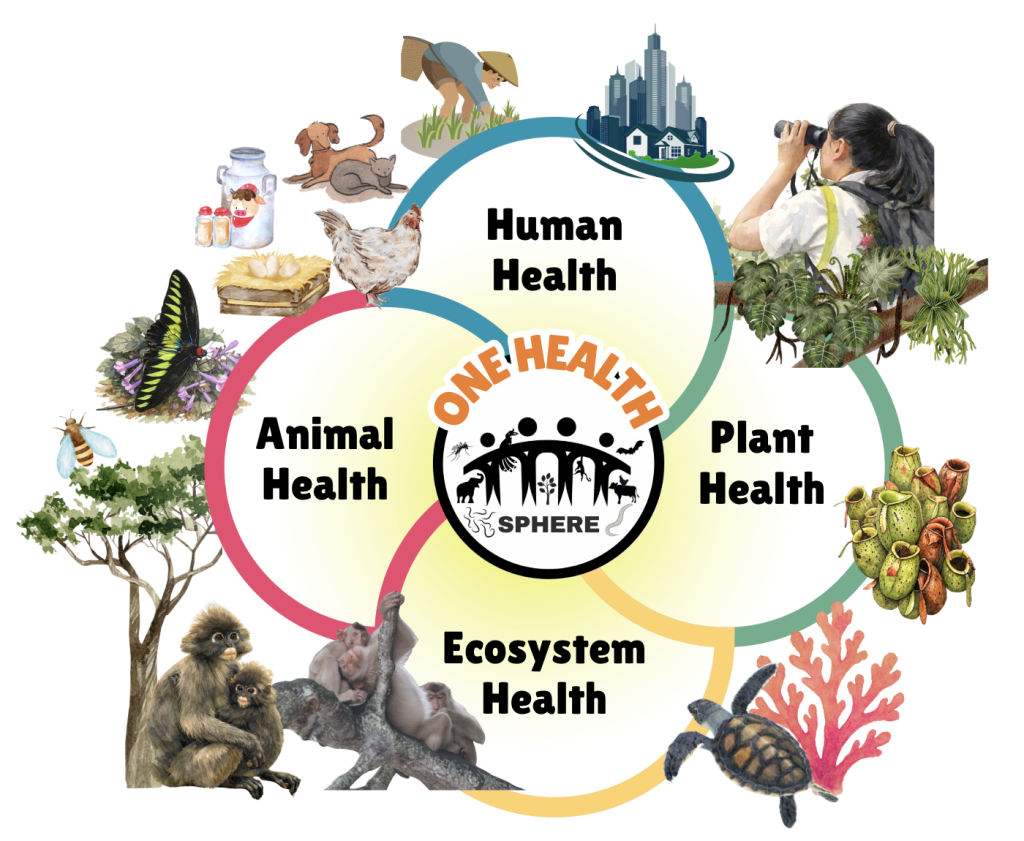
One Health recognises that the health of people, animals, and the environment is interconnected. In conservation, this means understanding that wildlife health is influenced not only by pathogens, but also by habitat change, human behaviour, domestic animals, and environmental conditions.
Project SPHERE applies this approach by investigating zoonotic soil-transmitted helminths in macaques and shared environments at human–macaque interfaces. By combining molecular surveillance with ecological and behavioural information, the project aims to identify how parasite risks vary across urban parks and forest–plantation landscapes. This can support conservation by informing targeted, non-lethal management measures, improving human–macaque coexistence, and avoiding the assumption that wildlife alone is responsible for disease risk.
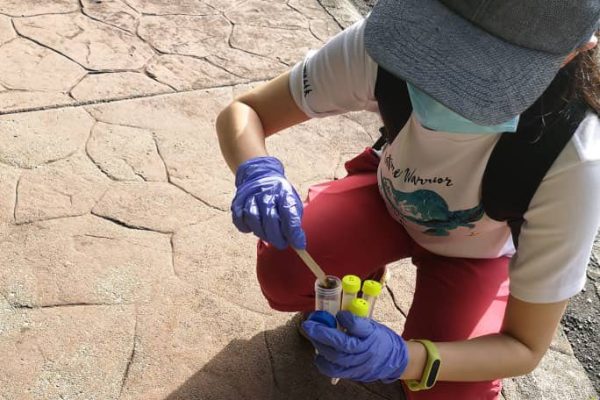
Collect macaque faecal samples, and surrounding soil samples as a non-invasive sampling approach, and ecological and behavioural data from urban parks and forest–plantation interfaces with different levels of human contact.
Apply multiplex molecular diagnostics to detect selected zoonotic soil-transmitted helminths, estimate parasite prevalence in macaques, and assess environmental contamination in shared spaces.
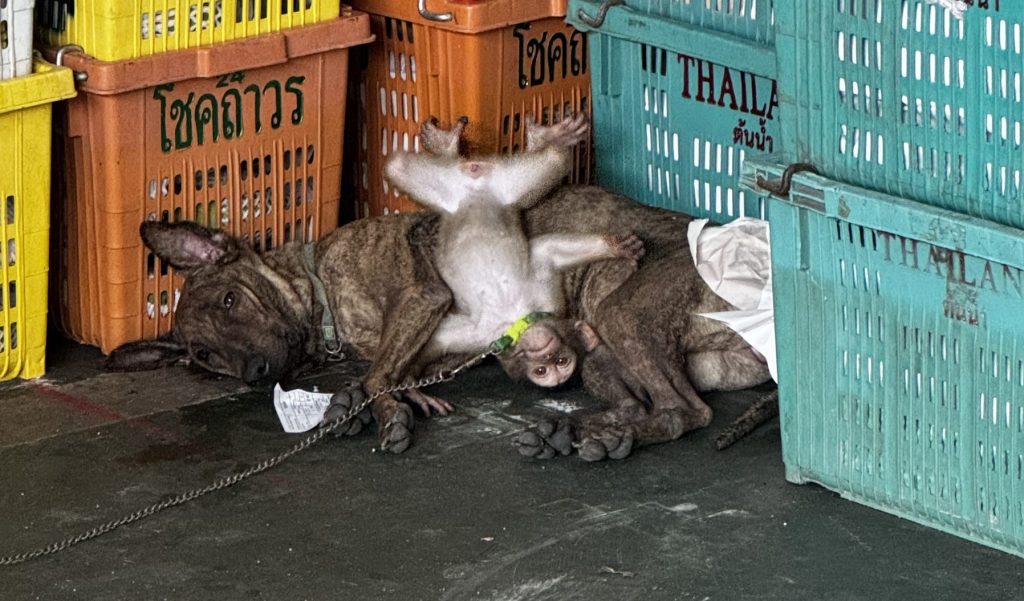
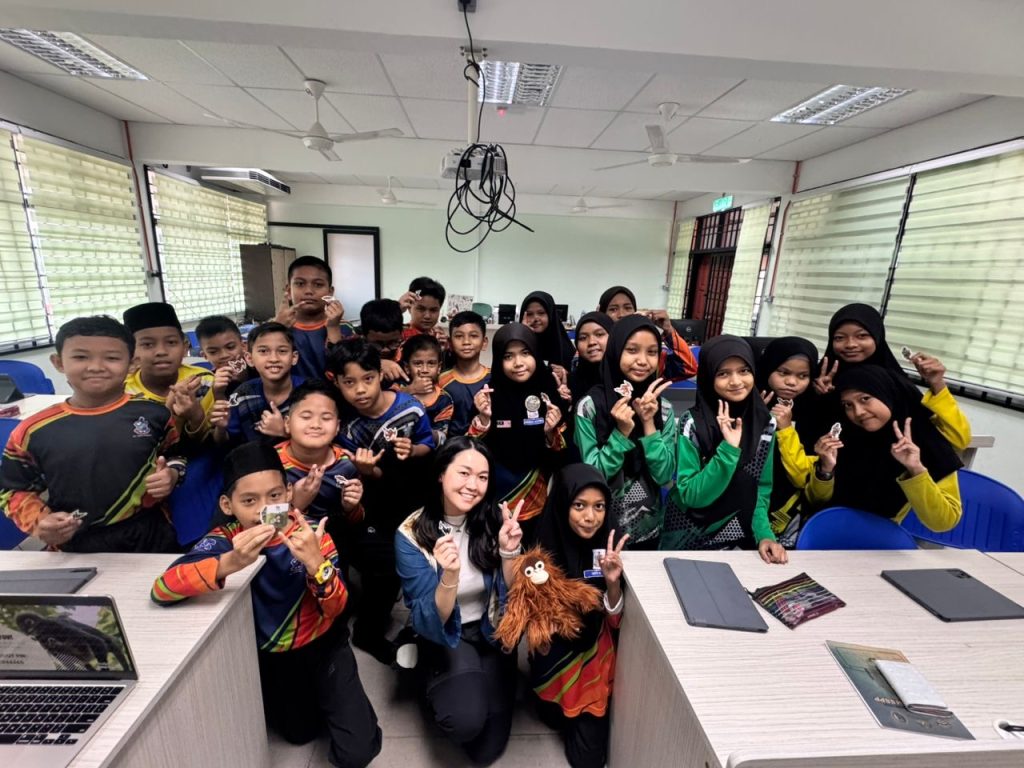
Disseminate the findings and fitted into locally relevant One Health education for key communities with practical guidance on reducing risky contact and improving human-macaque coexistence.
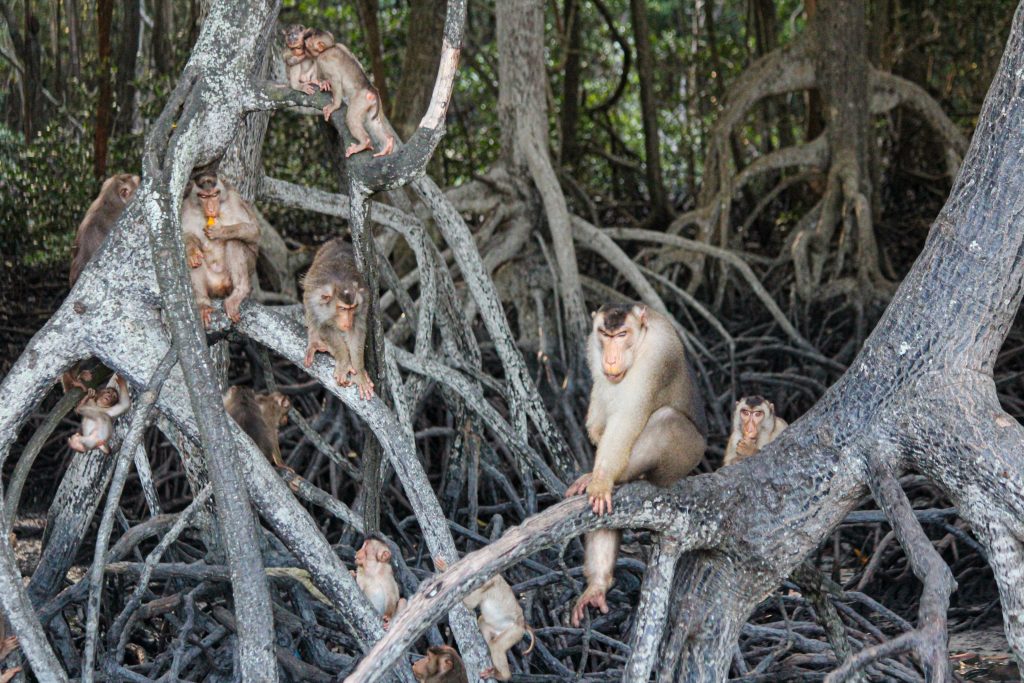

Our aim is to coordinate primate-related studies and conservation work in Malaysia and to create opportunities for capacity building of young Malaysians
Subscribe to our wild news! We'll send you a summary of the latest articles. Keep an eye on your inbox!
Copyright © 2020. Malaysian Primatological Society | Designed by Celine Ng